


Business DevelopmentMNC China Lens
$900 Million! A Radiopharmaceutical Asset From Suzhou Has Been Sold On September 22, Suzhou BoomRay announced an exclusive global licensing agreement with Novartis for one of its preclinical radioligand therapy (RLT) assets. BoomRay is eligible to receive up to USD 900 million (approximately RMB 6 billion), including upfront and milestone payments, plus sales royalties. This marks Novartis’s second licensing of an early-stage RLT asset from China this year, following its January acquisition of assets from Hunan PepLib. Despite strong RLT sales, including over USD 1.9 billion in 2025 revenue from Pluvicto, Novartis continues to seek external collaborations to expand its next-generation pipeline targeting novel antigens, ligands, and radionuclides. Founded in 2018, BoomRay has developed an RLT platform covering multiple targets. The deal highlights the global licensing potential of Chinese biotech RLT assets and the growing focus of multinational pharmaceutical companies on early-stage RLT opportunities.
4min read
Read More 
2025 Digital Health Innovation White Paper
We help global healthtech companies, investors, and institutions with the right local partners—from distributors and licensees to investment targets and R&D collaborators.
Finance
Innovation
Startups
Medical Device Approved
IPO
Ranking
Business Development

Innovation
Exosome Therapies Enter Late-Stage Clinical Development: Key Milestones and Signals from the Boston Summit The 8th Exosome-Based Therapeutic Development Summit in Boston marked a critical inflection point for the industry as exosome therapies transition into late-stage clinical development. Key players like Capricor Therapeutics, Rion Inc., and Aegle Therapeutics unveiled major clinical milestones, with Capricor's Deramiocel currently under FDA review and poised to become the first approved exosome-mechanism drug. Beyond clinical breakthroughs, the summit addressed pressing industry challenges, including manufacturing scalability, batch consistency, and the evolution of regulatory frameworks for cell-free biologics. With global advancements such as China's first-in-class IND for refractory epilepsy and novel engineered platforms, the conference underscored the field's rapid shift from experimental research to scalable clinical reality.
4min read
Read More 
Finance
Exclusive: Barty Medical Secures Tens-of-Millions-Yuan Extended D-Round Backed by CICC Capital Fund Barty Medical Technology (Zhejiang) Co., Ltd. recently announced an extended Series D funding round of tens of millions of RMB, invested by a fund under CICC Capital. This follows its earlier nearly RMB 200 million Series D round in 2026, reinforcing strong investor confidence. The company has filed its IPO prospectus and achieved multiple milestones this year, including EU MDR Class III CE certification for its novel excipient-free drug-coated balloons, global strategic partnerships with Mozarc Medical and Micro-Energy Medical, and advancement of its groundbreaking Matrix Crush™ constrained drug-coated balloon through pivotal clinical trials led by top Chinese cardiologists. With over 20 NMPA-approved products, successful national tender wins, and commercial presence in more than 40 countries, Barty Medical is accelerating the global rollout of its third-generation vascular intervention platforms and expanding its innovative pipeline.
3min read
Read More 
IPO
With RMB 4 Billion in Revenue and Nearly RMB 6 Billion in Net Assets, This Long-Established Zhejiang Pharmaceutical Company Is Still Striving for a Hong Kong Stock Exchange Listing In September 2026, Zhejiang Jingxin Pharmaceutical Co., Ltd. filed for an H-share listing in Hong Kong. Despite being A-share listed since 2004, with 2025 revenue exceeding RMB 4 billion and net profit above RMB 770 million, the company seeks the listing to support its innovative drug internationalization strategy. Starting with APIs, Jingxin has undergone nearly 30 years of transformation. In 2010, it introduced daridorexant, which gained approval 13 years later and entered China’s national medical insurance directory in 2024. The drug generated RMB 195 million in 2025 revenue, with H1 2026 revenue surging 176.6% year-on-year. As multiple R&D pipelines advance, Jingxin faces growing funding needs. The Hong Kong listing will provide capital for overseas clinical trials, international registrations, and cross-border business development, supporting its shift from generic drugs toward innovative products.
5min read
Read More 
Startups
BCI Is Not Just About Specs: From Sleep to Depression, Shenyi Technology Bets on "Productization" Shenzhen Shenyi Technology, founded in May 2025, focuses on "AI + brain science," productizing brain-computer interface (BCI) technology for real-world use. It closed an angel round of over RMB 10 million led by Leaguer Venture Capital. Founder Gu Xiangkun advocates "ask about the scenario first, then choose the technology": as sleep and emotion management need long-term intervention and surgery sees low acceptance, Shenyi chose a non-invasive route to reach more people. Its two-way "acquisition–understanding–intervention" loop captures EEG signals via self-developed modules, analyzes brain states and disease features with AI algorithms, then applies neuromodulation, completing a "perception–understanding–intervention–feedback" cycle. Shenyi is exploring productization in sleep improvement, depression treatment, and deep-brain modulation, addressing the industry's fragmented single-point technologies and scaling brain health technology systematically.
6min read
Read More 
Medical device approved
World’s First! GensKey’s mNGS Kit Receives Class III Certification, Marking the Entry of High-Throughput Pathogen Diagnosis into the Era of Standardization GensKey’s self-developed mNGS kit has received a Class III medical device registration certificate from China’s National Medical Products Administration (NMPA), marking China’s first Class III registration for pathogen metagenomic testing and the first mNGS infectious pathogen diagnostic kit approved by a national regulator worldwide. The U.S. FDA has yet to approve any mNGS diagnostic kit, while the EU has not completed approval of any broad-spectrum infectious pathogen mNGS sequencing kit. China’s lead reflects strong clinical demand and rapid technological iteration. With mNGS and tNGS still at low penetration but high growth, clinical needs are accelerating standardization, regulatory approval and reimbursement. As a key tool for severe and complex infections, mNGS has historically relied on centralized laboratories with limited standardization. The new Class III approval could reshape the market and unlock a billion-yuan incremental opportunity.
4min read
Read More 
Innovation
AliHealth Launches At-Home Alzheimer's Blood Test with IVD Reagents Supplied by ASTRABIO AliHealth has launched a home-based blood testing service for Alzheimer's disease across 253 cities in China, bringing advanced diagnostic capabilities directly to consumers. Utilizing ultra-sensitive single-molecule immunoassay technology, the service tests for seven key biomarkers associated with the disease. The testing relies on reagents and automated hardware from IVD company ASTRABIO, while sample processing is handled by Shengting Medical's accredited laboratories. Priced starting at 499 yuan, the service marks a significant convergence of e-commerce convenience, cutting-edge in-vitro diagnostics, and third-party lab services to facilitate early intervention through accessible at-home screening.
3min read
Read More 
Innovation
Chinese Startup Bochuang Biotech Initiates Human Clinical Trials for Collagen-Based Artificial Cornea E-Col Chinese startup Bochuang Biotech has initiated human clinical trials for its collagen-based artificial corneal stroma, E-Col, at Fudan University's Eye & ENT Hospital. Utilizing an innovative Electrochemical Deposition of Biopolymers (EDP) technology, E-Col represents China's third technological route for artificial corneas, building tissue from molecular-level collagen assembly rather than relying on decellularized animal tissues or synthetic materials. Backed by recent Pre-A+ funding, the product demonstrates high light transmittance and meets clinical mechanical standards. While global precedents validate the concept of engineered collagen corneas, E-Col's clinical success will depend on upcoming trial outcomes regarding long-term transparency, tissue integration, and safety, with the company targeting market approval within two years.
4min read
Read More 
Innovation
Chinese New Drugs Set ESMO Record with 29 LBAs, Accounting for One-Third of Total At the 2026 ESMO Annual Congress, Chinese pharmaceutical companies achieved a historic milestone with a record 29 Late-Breaking Abstracts (LBAs), making up roughly one-third of the total selections. Five Chinese programs were featured in the prestigious Presidential Symposium, showcasing pivotal Phase III data for antibody-drug conjugates and bispecific antibodies. This unprecedented volume of late-stage clinical readouts signals that Chinese-developed oncology therapies are transitioning from exploratory research to global registration trials, reshaping international treatment standards and driving deep partnerships with multinational corporations.
6min read
Read More 
Innovation
Roche/Ionis ASO Therapy Meets Primary Endpoint in Phase 3 IgA Nephropathy Study; AstraZeneca Triple Inhaler Wins EU Approval for Asthma Roche and Ionis Pharmaceuticals announced that sefaxersen, an antisense oligonucleotide therapy targeting complement factor B, met its primary endpoint in the Phase 3 IMAgINATION study for IgA nephropathy, demonstrating a statistically significant and clinically meaningful reduction in proteinuria at Week 37. Meanwhile, the European Commission approved AstraZeneca's Trixeo Aerosphere, a fixed-dose triple inhaler combining budesonide, glycopyrronium, and formoterol fumarate dihydrate, as maintenance treatment for asthma patients aged 12 and older. Additionally, Vertex Pharmaceuticals reported positive Phase 2b results for inaxaplin, an oral APOL1 inhibitor, in patients with APOL1-mediated kidney disease, showing mean reductions in urine albumin/creatinine ratio of 42.7% and 17.3% across two cohorts, with the pivotal Phase 2/3 AMPLITUDE study having completed enrollment and interim results expected in early 2027.
4min read
Read More 
Innovation
Yiming Angke Reports Breakthrough Phase Ib/IIa Results for IMM0306 Combination Therapy in Relapsed/Refractory B-Cell Non-Hodgkin Lymphoma Yiming Angke Biomedical Technology announced breakthrough results from its Phase Ib/IIa clinical study of amulirafusp alfa (IMM0306), a first-in-class myeloid cell engager targeting CD47 and CD20, combined with lenalidomide in relapsed/refractory CD20-positive B-cell non-Hodgkin lymphoma. In the marginal zone lymphoma cohort, the combination achieved an objective response rate (ORR) of 92.3% and a complete response rate (CRR) of 53.8%, outperforming approved BTK inhibitors. In the follicular lymphoma cohort, 44 evaluable patients achieved an ORR of 88.6% and a CRR of 70.5%, more than doubling the CRR of the R2 regimen. The treatment showed a favorable safety profile, with no cytokine release syndrome, neurotoxicity, or treatment-related deaths. This was attributed to IMM0306’s differentiated design, which preferentially binds CD20 over CD47. The results highlight IMM0306’s potential as a new treatment option for relapsed/refractory indolent lymphoma.
3min read
Read More

We provide comprehensive advisory services to global healthtech companies, international investors, and institutions seeking to understand, assess, and enter the complex Chinese healthcare market.
Report
Insights
In Depth
Policy
Expert Interview

MNC China LensExpert Interview
An Interview with Bayer's Friedemann Janus: A Third of Drugs in Development Come from China — What Is Bayer Looking For? Dr. Friedemann Janus, Senior Vice President of Bayer's Pharmaceuticals Division, said China's innovative drugs are embedding deeply into the global system, with about a third of drugs in development originating from China. Multinational pharma's China strategy has shifted from license-in of mature pipeline assets to early engagement with biotech teams to grasp their innovation logic. Bayer, which sees China as a key source of high-quality innovation, has built a network linking startups with global capital and R&D experts via Co.Lab sites in Shanghai and Beijing, a venture capital alliance, and global roadshows during 2024–2025. Janus believes China's pharma industry has moved past "Me-too" and "Fast-Follow" toward "Best-in-Class." The core issue now is how multinational pharma can embed even earlier in China's innovation ecosystem and drive local innovation into global R&D, business development, and commercialization — a fundamental elevation of China's global pharma position.
8min read
Read More 
Policy
Full Online Processing for Drug Import Clearance! Time Required for Single-Batch Import Registration Reduced to Minutes On September 21, 2026, Beijing Port became the first in China to fully digitize customs clearance for imported drugs, issuing the nation’s first electronic “Import Drug Customs Clearance Slip.” The reform replaces paper-based counter processing with an online workflow covering application, review, electronic seal generation, and self-printing. QR codes enable real-time verification. Processing time has been reduced to minutes, with documents issued within seconds, cutting labor and time costs. The reform improves cross-border trade efficiency, accelerates imports of urgently needed rare disease drugs and key APIs, and supports the biopharmaceutical industry. Combined with Beijing Port’s “Green First” inspection service, it further expedites product market entry and enhances efficiency across the pharmaceutical import supply chain.
3min read
Read More 
Insight
Next-Gen Heirs Take the Helm: 30-Something Scions Lead Billion-Dollar Pharma Firms Amid Strategic Transformation A wave of 'pharma second-gens'—mostly in their early 30s with elite global educations and diverse professional backgrounds—are stepping into leadership roles at multi-billion-dollar Chinese pharmaceutical companies. From Joincare’s Zhu Linlin and CSPC’s Cai Lei to MicroPort’s Brian Chang and Hualan Biological Bacterin’s An Wenjue, these heirs are driving strategic pivots toward innovation, internationalization, and capital-driven growth. Their rise coincides with industry-wide shifts away from generic drugs amid pricing pressures, as they leverage expertise in R&D, M&A, and global business development to navigate a new era of biopharma competition.
9min read
Read More 
InsightInnovation
The First Enterprise to Obtain a Class III AI In Vitro Diagnostic Certificate, with a Self-Developed Native Large Model at the Hundred-Billion Parameter Scale, Requiring Only Days for Cross-Scenario Fine-Tuning As the first Chinese company to obtain a Class III medical device registration certificate for AI in IVD, Aimagine Care is using its self-developed large language model and rapid fine-tuning capabilities to expand beyond blood testing equipment. It aims to build an AI-driven laboratory ecosystem covering testing, research, education, operations, and regulatory compliance. The path to full intelligence comprises four stages: foundational, advanced, derivative, and regulatory. The foundational stage covers automated workflows, result interpretation, and risk alerts, while the advanced stage focuses on intelligent testing pathways and project coordination. However, even highly automated biochemical and immunological lines have yet to achieve end-to-end automation, underscoring the long-term challenge of advancing from process automation to comprehensive laboratory intelligence.
8min read
Read More 
InnovationInsight
Neusoft Launches Tianyi AI 3.0, Putting the First Batch of AI That Can "Get Things Done" on the Job On September 15, Neusoft Corporation launched Tianyi AI 3.0 at the 2026 Medical Artificial Intelligence Conference (MAIC 2026), marking medical AI's entry into a third stage — "Business Intelligence" — beyond "access" and "scenario coverage." Addressing medical AI's dilemma of being clever yet hard to deploy, Tianyi AI 3.0 aims to make AI truly "get things done" — a qualitative shift from answering questions to understanding business, organizing capabilities, and collaboratively completing entire workflows. Built on a "two hubs, two drivers, and one foundation" architecture, it breaks the function-oriented limits of traditional hospital information systems, shifting to intent-centric operation that connects systems and orchestrates intelligent capabilities — solving complex tasks, embedding AI into how healthcare operations run and evolve, and advancing intelligent deployment and efficiency.
8min read
Read More 
Insight
Hospital-Facing Medtech Giants Like Mindray, United Imaging, and WEGO Turn to Cutthroat Home Medical Device Market as Institutional Profits Shrink Facing shrinking margins in hospital markets due to price cuts from volume-based procurement, intense competition, and delayed hospital payments, China’s leading medtech companies—including Mindray, United Imaging, and WEGO—are aggressively entering the home medical device sector. Once reliant on high-margin institutional sales, these firms are now launching consumer-focused products such as wearable monitors, oxygen concentrators, CGM systems, and medical-grade hearing aids. While they bring strong R&D capabilities and clinical integration advantages, they face fierce competition and lack experience in e-commerce and direct-to-consumer branding in an already saturated and price-sensitive home healthcare market.
11min read
Read More 
InsightInnovation
A Historic Breakthrough for China's Innovative Drugs! At the 2026 World Conference on Lung Cancer (WCLC), Chinese innovative drugs achieved a major breakthrough. Akeso’s ivonescimab outperformed pembrolizumab (Keytruda) in the HARMONi-2 Phase III trial. Median overall survival (OS) reached 30.8 months versus 22.6 months with Keytruda, with a 27% reduction in the risk of death. The result represents the first positive OS benefit reported by an innovative therapy against Keytruda in a randomized, double-blind, controlled Phase III trial, marking a milestone for China’s bispecific antibody sector. International experts noted that the benefit was mainly observed in patients with high PD-L1 expression and squamous cell carcinoma, recommending cautious interpretation in clinical practice. Alongside advances from other Chinese drugmakers across major lung cancer approaches, the data highlight the growing global competitiveness of China’s innovative drug industry.
8min read
Read More 
Insight
Behind the Merger of Come-Future and Mediinfo: What Industry Logic Does It Signal? On September 9, 2026, Come-Future and Mediinfo signed a strategic agreement in Hangzhou to merge — a paradigm shift in healthcare IT, not merely a partnership. It pairs Mediinfo's 27 years of "knowing healthcare" with AI upstart Come-Future's "knowing technology" in a two-way loop. The new entity covers 30 provincial-level regions and over 3,000 medical institutions, making it one of China's largest digital healthcare providers. As capital markets turn cautious on "AI + healthcare" and prize real cash flow, the merger targets AI deployment hurdles and IT firms' anxiety over the leap to AI. Both sides stress a "multiplicative" rather than "additive" effect, combining technology iteration with deep industry insight into a scarce "AI + healthcare" service loop. Come-Future will be the listing vehicle, optimizing its shareholder structure to unlock growth and answer how AI truly takes root in healthcare.
7min read
Read More 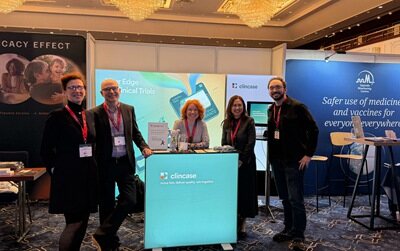
Expert Interview
In Conversation with Judy Lux of Clincase: How a German Company Bridges China's Innovative Healthcare Industry to Europe In conversation with Judy Lux, founder of Clincase, this article examines the challenges Chinese innovative healthcare companies face going global in Europe. Despite first-in-class products and strong clinical data, they often stall in regulatory review: their R&D systems lack a culture of documentation—audit trails missing from electronic case report forms, data entry timelines unclear—confirming that "the greatest obstacle to discovery is the illusion of knowing." Lux notes that the two countries define "trust" differently: China prioritizes results and execution efficiency, while Germany stresses process control, standardization, and a complete chain of evidence. Clincase aims to bring this German-style quality mindset to China's life sciences sector, helping companies meet compliance while truly bridging to Europe, rather than miss global opportunities over neglected process evidence.
10min read
Read More 
Insight
1.72 Billion: Shaanxi Pharma Player Secures Large Computing Power Order On September 16, Beijing Kanghui Zhichuang, a wholly owned subsidiary of Shaanxi Kanghui Pharmaceutical, announced a five-year computing power service contract worth approximately RMB 1.72 billion with Customer A, alongside a RMB 1.141 billion server procurement agreement. The deal marks Kanghui’s entry into computing power as it seeks a “pharmaceuticals + computing power” business model. Its core pharmaceutical business has faced pressure from medical insurance cost controls and rising competition, with revenue declining and a net loss reported in 2025. Although the company returned to profit in H1 2026, revenue continued to fall. The new business leverages data center resources and expertise from Yi’an Tianxia, controlled by Kanghui’s actual controller. The deal highlights traditional pharmaceutical companies’ efforts to diversify amid slowing growth and rising AI computing demand.
6min read
Read More
We provide international health innovators with strategic visibility, key connections, and deep market insights in China through a full suite of engagement services.
MNC China LensExpert Interview
An Interview with Bayer's Friedemann Janus: A Third of Drugs in Development Come from China — What Is Bayer Looking For? Dr. Friedemann Janus, Senior Vice President of Bayer's Pharmaceuticals Division, said China's innovative drugs are embedding deeply into the global system, with about a third of drugs in development originating from China. Multinational pharma's China strategy has shifted from license-in of mature pipeline assets to early engagement with biotech teams to grasp their innovation logic. Bayer, which sees China as a key source of high-quality innovation, has built a network linking startups with global capital and R&D experts via Co.Lab sites in Shanghai and Beijing, a venture capital alliance, and global roadshows during 2024–2025. Janus believes China's pharma industry has moved past "Me-too" and "Fast-Follow" toward "Best-in-Class." The core issue now is how multinational pharma can embed even earlier in China's innovation ecosystem and drive local innovation into global R&D, business development, and commercialization — a fundamental elevation of China's global pharma position.
8min read
Read More 
InnovationMNC China Lens
China's CDE Nominates Two MASH Drug Candidates for Breakthrough Therapy Designation: ZSP1601 and Efimosfermin Alfa China’s Center for Drug Evaluation (CDE) has nominated two MASH drug candidates for breakthrough therapy designation: Zhongsheng Pharmaceutical’s ZSP1601 tablets and GSK’s injectable Efimosfermin alfa. ZSP1601, a first-in-class pan-phosphodiesterase (PDE) inhibitor, has entered Phase III trials after showing significant pathological improvement in Phase IIb. At 48 weeks, response rates were 64.9% (100 mg) and 57.6% (50 mg), versus 32.5% for placebo. The drug demonstrated anti-fibrotic effects, reduced liver fat, and improved liver enzymes, with a favorable safety profile. Efimosfermin alfa, a long-acting FGF21 analog administered monthly by subcutaneous injection, is designed to reduce liver fat, improve inflammation, and reverse fibrosis. GSK acquired rights to the drug for up to USD 2 billion and has registered the Phase III ZENITH-2 trial in China following positive Phase II results showing significant histological response in patients with F2/F3 MASH.
2min read
Read More 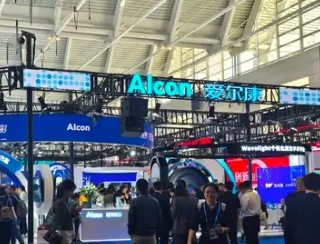
MNC China LensExpert Interview
As Innovation Enters the Clinical Deep Water, How Will Alcon Redefine Its Value in China? At CCOS 2026, Zhang Jian, vice president of Alcon China, said innovation value must be reflected in responding to real clinical needs and benefiting patients. As China's ophthalmic demands shift from basic "blindness treatment" toward high-definition, personalized, all-scenario visual quality, competition now extends to clinical application capability, professional education, and local innovation. Alcon is redefining its value in China by deepening the integration of global innovation with local clinical practice. It showcased products including the Clareon intraocular lens, the Constellation system, and the ARGOS biometer, and is advancing the rollout of Unity VCS — marking a shift from single devices to systematic clinical solutions, and aiming to complete innovation's "last mile" through continuous clinical validation to genuinely improve patient outcomes.
8min read
Read More 
Business DevelopmentMNC China Lens
A KRAS-EGFR Dual-Targeting ATTC Drug Goes Global! HUTCHMED and GSK Reach a Worldwide License Agreement On September 3, 2026, HUTCHMED announced a worldwide license agreement with GSK for HMPL-A830, its first-in-class KRAS-EGFR dual-targeting antibody-targeted conjugate (ATTC), granting GSK exclusive development and commercialization rights outside Greater China. The drug pairs an anti-EGFR antibody with a KRAS inhibitor payload to dually block signaling pathways, aiming to improve efficacy and tolerability in KRAS-mutant colorectal, pancreatic, and lung cancers. HUTCHMED will receive a USD 110 million upfront payment plus up to USD 1.185 billion in milestones and royalties, retaining Greater China rights; GSK also secured priority negotiation rights for another early-stage ATTC. A global Phase I study led by HUTCHMED is expected in H2 2026, with GSK leading overseas development and commercialization — a milestone for precision oncology addressing unmet need for safe, durable regimens.
2min read
Read More 
InnovationMNC China Lens
Hansoh Pharma Submits Marketing Application in China for B7-H3 ADC Risvutatug Rezetecan in Platinum-Refractory Small Cell Lung Cancer Hansoh Pharmaceutical Group has submitted a China marketing application for risvutatug rezetecan (HS-20093), a fully human B7-H3 ADC with a topoisomerase inhibitor payload, for platinum-refractory small cell lung cancer (SCLC). The filing is supported by positive Phase III ARTEMIS-008 results announced in July 2026, which met its primary overall survival endpoint and significantly improved survival versus topotecan, with consistent progression-free survival benefits. Safety remained consistent with prior studies. This is the first positive Phase III result showing a B7-H3 ADC can significantly improve overall survival. In December 2023, Hansoh granted GSK exclusive rights to develop and commercialize the drug outside Greater China, where GSK is conducting Phase III trials. As SCLC accounts for about 15% of lung cancers and has limited second-line options, HS-20093 could address a significant unmet medical need.
1min read
Read More 
FinanceMNC China Lens
Medtronic Invests $700 Million in Cornerstone Robotics to Expand Global Surgical Robotics Portfolio On September 1, 2026, Medtronic announced a strategic partnership with Chinese surgical robotics company Cornerstone Robotics, investing approximately $700 million for distribution rights of the Sentire® robotic-assisted laparoscopic surgery system outside the U.S. The Sentire platform features fully in-house developed core technologies, including the world’s first 5mm wristed instruments, 8mm 4K 3D fluorescence imaging, and proprietary force-feedback and direct-drive control systems. This investment complements Medtronic’s existing Hugo™ system, creating a dual-platform strategy that addresses diverse surgical specialties and economic markets. With regulatory approvals already secured in China (NMPA), Europe (CE), and Singapore (HSA), the deal accelerates Medtronic’s global surgical robotics rollout amid intensifying competition and strategic pressure on its traditional surgical device business.
8min read
Read More 
IPOMNC China Lens
Half-Year Revenue of RMB 500 Million, RMB 4 Billion in BD Upfronts: The AstraZeneca-Incubated Biotech Sprints Toward an A+H Listing Dizal Pharmaceutical listed on Shanghai's STAR Market in 2021, raising about RMB 2.1 billion, and filed an H-share application with the Hong Kong Stock Exchange in August 2026, pursuing an A+H dual listing. Formerly AstraZeneca's early-stage drug discovery unit in Asia, it was spun off in 2017 with preclinical assets and funding from AstraZeneca, led by CEO Zhang Xiaolin, PhD. At its STAR listing, only two candidates were in late-stage development; in August 2023, Zegfrovy (sunvozertinib) became China's first innovative drug for EGFR exon 20 insertion-mutant NSCLC, lifting H1 2026 revenue to RMB 523 million. After filing its Hong Kong prospectus, Dizal signed a record-breaking license agreement with AstraZeneca effective August 31, securing a USD 600 million upfront (about RMB 4 billion) and other payments. The company is not yet overall profitable, with multiple pipelines awaiting clinical validation.
7min read
Read More 
InnovationMNC China Lens
Shanghai Pharmaceuticals Subsidiary Receives NMPA Approval for Ruxolitinib Phosphate Tablets Changzhou Pharmaceutical Factory Co., Ltd., a subsidiary of Shanghai Pharmaceuticals Holding Co., Ltd. (601607.SH), has obtained approval from China's National Medical Products Administration (NMPA) to manufacture ruxolitinib phosphate tablets under three drug registration certificates. The approved indications cover the treatment of myelofibrosis and graft-versus-host disease (GVHD), expanding treatment options for Chinese patients with rare blood disorders. Ruxolitinib, originally co-developed by Incyte Corporation and Novartis AG, was first approved by the U.S. FDA in 2011. This domestic production approval marks a significant milestone for SPH, strengthening its portfolio of specialized therapies for rare diseases and improving patient access to effective treatments for complex hematologic conditions.
1min read
Read More 
Business DevelopmentMNC China Lens
DualityBio’s ADC Platform Goes Global in Deal Worth Over $1 Billion On August 28, 2026, DualityBio entered a global collaboration with Genentech, a Roche Group company, to develop next-generation ADCs using its DUPAC™ platform. DualityBio received $45 million upfront and is eligible for over $1 billion in milestone payments. DualityBio will lead discovery and early clinical development, while Genentech will hold exclusive global licensing rights and oversee later development and commercialization. The deal highlights the rising global competitiveness of Chinese ADC innovation. As ADC technology enters a new phase of iteration, tumor resistance remains a key challenge. DUPAC™ is DualityBio’s next-generation payload platform designed to address such limitations, with ADCs based on DUP5 and DUP9 showing robust preclinical results.
4min read
Read More 
MNC China Lens
Behind Global Executives’ Visits to China: How Novo Nordisk Integrates Early-Stage R&D in China into Its Global Innovation Landscape In mid-June, Novo Nordisk’s global management visited China to integrate Chinese R&D expertise into its global strategy. China is emerging as a global innovation “accelerator,” combining scientific strength with cost efficiency. Novo Nordisk is expanding collaboration from early research to preclinical candidate development, incorporating Chinese innovations into its global pipeline. From January to June 2026, China’s outbound innovative-drug licensing deals hit a record high, with Chinese pharma companies accounting for eight of the top 10 global deals. MNC transactions by Eli Lilly and AstraZeneca focused on early-stage assets. McKinsey data show China’s biopharma discovery and development timelines are shorter than the global average, highlighting a structural efficiency advantage. China now accounts for about 30% of global drug candidates in development, while clinical trials surpassed 5,000.
6min read
Read More